No se ha aprobado un cuarto cheque de estímulo: ¿qué pasará ahora?
A la fecha del 28 de julio de 2026, no se ha aprobado un cuarto cheque de estímulo federal. El Congreso no ha autorizado otra ronda de pagos de impacto económico, y el IRS afirma que ya ha emitido todos los pagos de la primera, segunda y tercera ronda.
La confusión suele surgir cuando se presentan proyectos de ley sobre reembolsos, pagos estatales, artículos antiguos o publicaciones en redes sociales como si fueran ayudas federales. Presta atención a la diferencia. Una propuesta puede ser real sin que ello implique un pago aprobado, normas de elegibilidad o una fecha de distribución establecida por el IRS.
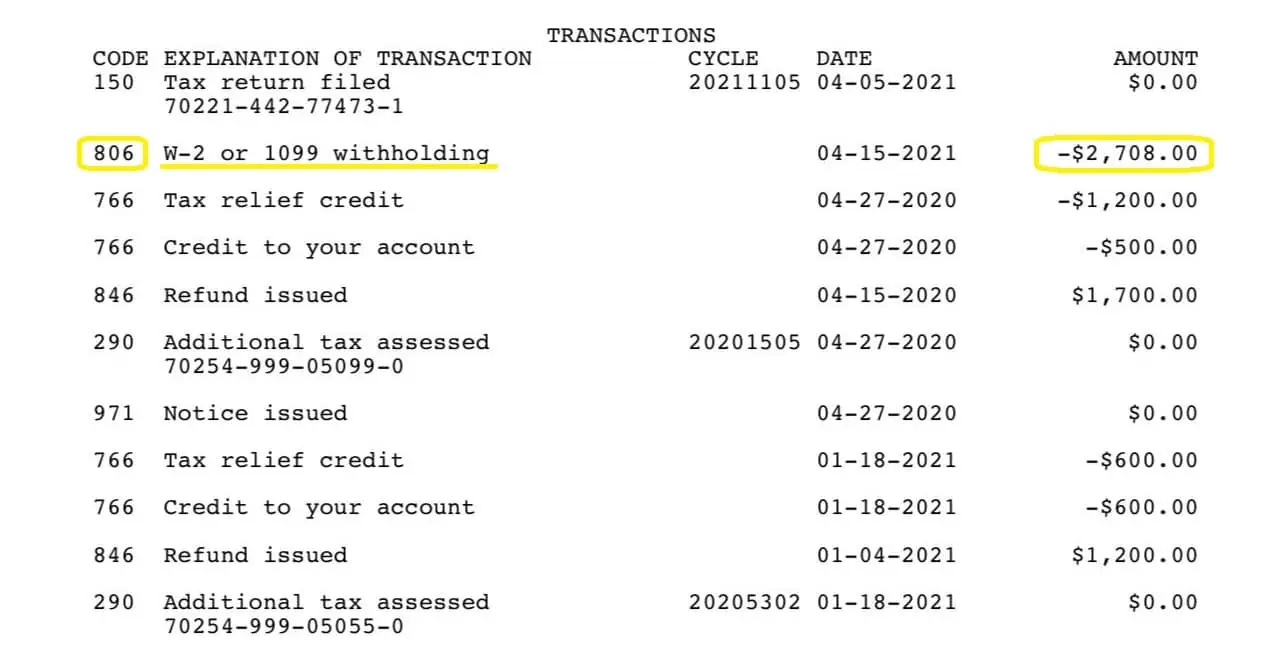
La información sobre el Crédito de Reembolso de Recuperación (Recovery Rebate Credit) de años anteriores puede ser confusa. Ese crédito corresponde a las declaraciones de impuestos de 2020 o 2021 y puede implicar una declaración, una enmienda o una corrección en la cuenta. Eso no significa que se trate de un cuarto cheque de estímulo. Verifica el estatus legal, identifica el pago y confirma los detalles siguiendo las instrucciones del IRS.
¿Se ha aprobado un cuarto cheque de estímulo?
El Congreso no ha aprobado ningún cuarto cheque de estímulo. El IRS afirma que ya ha emitido todos los Pagos de Impacto Económico (EIP) del primero, segundo y tercer ciclo. No hay ningún programa federal nuevo, monto de pago, regla de elegibilidad, fecha de distribución, solicitud ni herramienta de seguimiento. Una propuesta o un anuncio público pueden ser auténticos sin que ello implique la autorización de fondos. Los detalles de los pagos federales solo son confiables una vez que la legislación y las directrices de las agencias los establecen oficialmente.
El año fiscal es la primera pista. Las actividades relacionadas con el Crédito de Reembolso de Recuperación de 2020 o 2021 pertenecen a una declaración anterior, incluso si el IRS registra un ajuste ahora. No se trata de un cuarto cheque de estímulo. Revisa el año, la descripción de la transacción y cualquier aviso antes de considerar un asiento contable como una nueva ayuda.
Usa tu Cuenta del IRS para confirmar la actividad registrada, pero no esperes que aparezca una nueva solicitud o un nuevo calendario de pagos. Para conocer la postura oficial del gobierno federal, consulta la página de Pagos de Impacto Económico del IRS en lugar de un rastreador no oficial.
¿Por qué siguen surgiendo rumores sobre un cuarto cheque de estímulo?
Los rumores sobre un cuarto cheque de estímulo suelen surgir a partir de una propuesta real, un artículo desactualizado o una publicación falsa en las redes sociales. Es posible que se haya presentado un proyecto de ley, pero eso no autoriza al Departamento del Tesoro a desembolsar fondos ni le da al IRS un calendario de pagos.
Un reembolso de impuestos federales puede reflejar retenciones o créditos declarados en el Formulario 1040, mientras que un reembolso estatal proviene de un programa estatal independiente. Ninguno de los dos se convierte en un estímulo federal solo porque alguien lo denomine así en línea. Vuelven a aparecer artículos antiguos sobre el cuarto cheque de estímulo y actualizaciones sobre el Seguro Social sin contexto.
| Reclamación en línea | Se necesitan pruebas antes de confiar en ello |
|---|---|
| “El Congreso aprobó otro cheque” | Legislación federal promulgada |
| “Los pagos del IRS comienzan la próxima semana” | Un anuncio reciente del IRS o del Departamento del Tesoro |
| “Las personas de la tercera edad cumplen con los requisitos automáticamente” | Normas federales publicadas sobre requisitos de elegibilidad |
| “Presenta tu solicitud a través de este enlace” | Una página de una aplicación gubernamental verificada |
Los mensajes de texto sobre pagos falsos son parte del problema. El IRS ha advertido a los contribuyentes sobre mensajes que prometen dinero del paquete de estímulo, mientras que la AARP ha detectado afirmaciones similares dirigidas a personas mayores y personas con discapacidad. Antes de creer en uno de ellos, busca un anuncio oficial del IRS o del Departamento del Tesoro y evidencia de que el Congreso haya autorizado el pago. No basta con una sola publicación viral sobre el cuarto cheque de estímulo.
¿Qué debe suceder para que se haga oficial otro pago federal?
Un cuarto cheque de estímulo no se convierte en oficial cuando un político lo propone o cuando el Congreso presenta un proyecto de ley. Primero debe otorgarse la autorización de gasto federal.
El Congreso debe autorizar el pago
El proceso legislativo Por lo general, requiere los siguientes pasos:
- Se presenta un proyecto de ley.
- Un comité lo revisa.
- Una de las cámaras lo aprueba.
- La otra cámara aprueba un texto idéntico.
- La medida pasa a manos del presidente.
- Se convierte en ley mediante el proceso constitucional.
No basta con que se apruebe en una de las cámaras. La medida debe ser aprobada por ambas cámaras antes de medida presidencial.
El Departamento del Tesoro y el IRS deben aplicar la ley
La entrada en vigor de la ley aún requiere de directrices por parte de las autoridades competentes. El Departamento del Tesoro y el IRS tendrían que publicar los montos de los pagos, los límites de ingresos brutos ajustados, las normas sobre el estado civil a efectos fiscales, el tratamiento de los dependientes, el año fiscal de referencia, los procedimientos para quienes no presentan declaración, los métodos de entrega y las fechas de pago.
| Desarrollo | Qué significa | ¿Se puede contar con un pago? |
|---|---|---|
| Declaración política | Se está discutiendo una idea | No |
| Se presentó un proyecto de ley | Existe una propuesta formal | No |
| Medidas adoptadas por el comité | La propuesta se encuentra en proceso de revisión | No |
| Una de las cámaras lo aprueba | Aprobación parcial del Congreso | No |
| Ambas cámaras aprueban un texto idéntico | El Congreso aprueba la medida | Todavía no |
| La medida se convierte en ley | Existe fundamento legal | Esperar a que se publiquen las normas de aplicación |
| El IRS y el Departamento del Tesoro publican directrices | Se publican los requisitos de elegibilidad y los detalles de pago | Consulta las reglas oficiales |
| Se publicó el calendario de pagos | Se planea la distribución | Sigue las instrucciones oficiales |
En ese momento, se podrá evaluar un cuarto cheque de estímulo basándose en las normas fiscales vigentes, y no en un titular.
¿Qué significan realmente las propuestas actuales de reembolso?
Las propuestas actuales de reembolso de tarifas no constituyen un cuarto cheque de estímulo aprobado. Incluyen montos de pago propuestos, límites de ingresos y normas sobre personas a cargo. Hasta que el Congreso apruebe una ley al respecto, ninguna de esas cifras da lugar a un pago del IRS ni debe incluirse en tu declaración de impuestos.
Ley de Reembolsos para los Trabajadores Estadounidenses
Presentado en julio de 2025, el Reembolso para los trabajadores estadounidenses La ley proponía reembolsos financiados con los ingresos de las tarifas. Su texto del proyecto de ley modificaría el Código de Rentas Internas y establecería los montos propuestos para los adultos elegibles y los hijos a cargo. Esos montos siguen siendo términos legislativos, no instrucciones de pago del IRS.
Ley de Reembolsos de Tarifas para las Familias Trabajadoras
Un otro Propuesta para 2026 utiliza diferentes montos y umbrales de ingresos para contribuyentes solteros, jefes de familia y contribuyentes que presentan declaraciones conjuntas. La categoría de contribuyente y el ingreso bruto ajustado solo afectarían el cálculo si la medida se convierte en ley.
Declaraciones políticas sobre los dividendos arancelarios
Las declaraciones sobre los dividendos arancelarios pueden influir en los titulares, pero no generan un crédito fiscal reembolsable, ni autorizan al Departamento del Tesoro a enviar dinero, ni establecen una fecha de pago para el IRS. Antes de basarte en cualquier monto, verifica si el Congreso aprobó la propuesta y si el Departamento del Tesoro o el IRS emitieron directrices al respecto.
¿Qué pasó con los tres primeros pagos y el Crédito de Reembolso de Recuperación?
Trabajo relacionado con un antiguo Crédito de reembolso por recuperación No se trata de un cuarto cheque de estímulo. El IRS ya completó las tres primeras rondas de Pagos de Impacto Económico, mientras que el crédito permitió a los contribuyentes elegibles regularizar los pagos faltantes o incompletos en sus declaraciones de 2020 o 2021.
Fíjate en el año fiscal asociado a la actividad. Una modificación, un seguimiento de reembolso o una corrección de cuenta de 2020 o 2021 sigue perteneciendo a ese año de declaración, incluso cuando el IRS registra el cambio mucho más tarde. La fecha de registro no lo convierte en un nuevo pago federal.
| Situación | Lo que representa |
|---|---|
| Pago federal recientemente autorizado | Un nuevo programa creado por ley federal |
| Crédito de reembolso por recuperación | Un crédito histórico reclamado en una declaración de impuestos de 2020 o 2021 |
| Tramitación de declaraciones rectificativas | Una corrección a una declaración ya presentada |
| Seguimiento de reembolsos | Un intento por localizar un pago que ya se había emitido |
| Ajuste de cuenta del IRS | Actividad administrativa relacionada con un ejercicio fiscal anterior |
El IRS considera que las tres rondas de pago se han completado. Revisa el año de declaración y la descripción de la cuenta antes de sacar otra conclusión al respecto.
¿Quiénes cumplirían con los requisitos si un pago futuro se convirtiera en ley?
Aún no hay normas definitivas sobre quiénes tienen derecho al cuarto cheque de estímulo, ya que el Congreso no ha aprobado un nuevo programa de pagos.
Una futura ley podría basarse en el ingreso bruto ajustado, el estado civil a efectos fiscales, los dependientes, los números válidos del Seguro Social, la residencia o el año fiscal que figure en tu declaración. También podría establecer procedimientos distintos para quienes no presentan declaración y para quienes reciben prestaciones del Seguro Social o del Departamento de Asuntos de Veteranos (VA). Las propuestas actuales ya difieren entre sí. Una propuesta de reembolso utiliza un conjunto de montos, mientras que un factura por separado utiliza distintos umbrales.
Esa diferencia es importante. Las cifras propuestas no son normas fiscales. Todavía no hay nada que reclamar.
La ley definitiva determinaría qué declaración prevalecería en caso de que cambiaran tus ingresos, tu estado civil o tus dependientes.
| Se sabe ahora | Se desconoce hasta que la legislación entre en vigor |
|---|---|
| Se han concluido tres rondas de pago anteriores | Monto del pago |
| No existe ninguna solicitud federal | Límites de ingresos |
| No existe un calendario de pagos | Reglas de dependencia |
| Se han presentado propuestas | Procedimientos de presentación y entrega |
Hasta que el Congreso resuelva esos detalles, no es posible calcular con certeza si cumplirías con los requisitos.
Lo que no significa un cuarto cheque de estímulo
Un título, un depósito o un proyecto de ley pueden parecer oficiales sin que ello demuestre que exista un pago. Comienza por la fuente y el año fiscal. Esa distinción determina qué debe incluirse en la declaración.
| Lo que ves | Lo que no demuestra | Qué hay que revisar |
|---|---|---|
| Un proyecto de ley | El Congreso aprobó un pago | Situación legislativa actual |
| Un anuncio político | La Secretaría de Hacienda puede emitir cheques | Ley federal promulgada |
| Un reembolso estatal | Existe un pago federal | La agencia estatal de recaudación de impuestos |
| Un reembolso de impuestos | Se distribuyeron los fondos del paquete de estímulo | Tu declaración presentada y el cálculo de tu reembolso |
| A TREAS 310 depósito | El depósito es dinero del plan de estímulo | Los datos bancarios y tu cuenta del IRS |
| Un aumento del Seguro Social | Las personas de la tercera edad recibieron un pago de estímulo | Tu aviso sobre los beneficios del Seguro Social |
| Información sobre el reembolso de recuperación | Una nueva reclamación sigue abierta | El año fiscal y el plazo correspondiente |
| Una solicitud en línea | El IRS lo creó o lo aprobó | Si la página se encuentra en IRS.gov |
| Una fecha de pago establecida | Se ha programado la distribución federal | Un anuncio reciente del IRS o del Departamento del Tesoro |
El estado de tu reembolso puede reflejar retenciones, créditos reembolsables o un ajuste del Formulario 1040. Primero, compara el depósito con la declaración presentada.
¿Cómo se puede verificar una solicitud de pago de estímulo?
Verifica la información sobre el cuarto cheque de estímulo con fuentes confiables antes de dar por cierto su monto, los requisitos de elegibilidad o la fecha de pago.
- Visita IRS.gov. Esté atento a un anuncio sobre un pago o un crédito fiscal.
- Consulta la legislación. Confirma si el proyecto de ley se presentó, se aprobó o se promulgó.
- Verificar el Tesoro. Busca las instrucciones de distribución, no los comentarios políticos.
- Revisa la fecha. Los artículos antiguos sobre la pandemia suelen aparecer de nuevo en los resultados de búsqueda.
- Identifica el pago. Un reembolso estatal, un beneficio del Seguro Social, una devolución de impuestos o un depósito de TREAS 310 no se consideran automáticamente parte del estímulo federal.
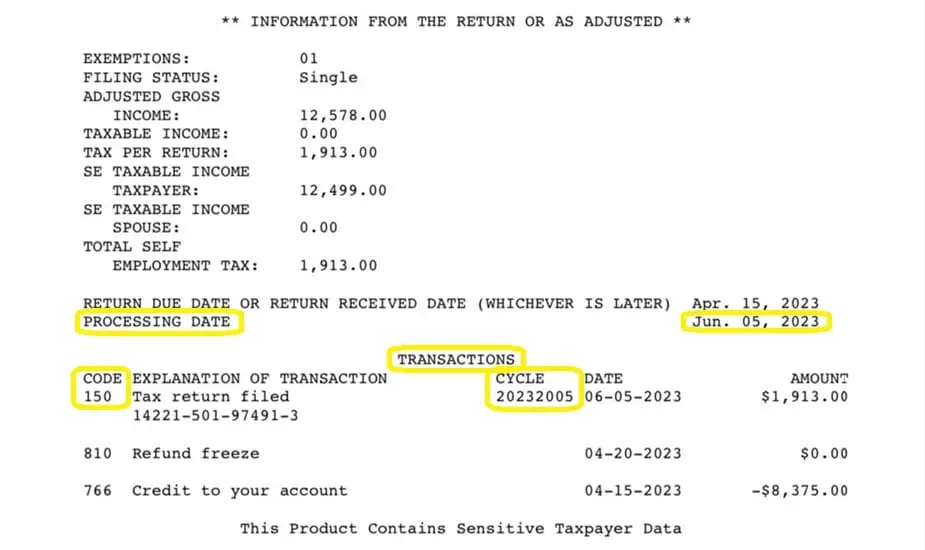
- Utiliza registros seguros. Revisa tu Cuenta del IRS y, cuando sea necesario, tu transcripción fiscal.
- Guarde los avisos enviados por correo. Verifica que el año fiscal y el monto coincidan con los de tu declaración presentada antes de responder.
- Evita las cuotas y los formularios no oficiales. No pagues para liberar dinero ni ingreses información bancaria a través de un enlace en un mensaje de texto.
- Llame únicamente si tiene algún problema con su cuenta. Primero prepárate, luego llamar al IRS si una notificación, un depósito o un movimiento en la cuenta requiere una explicación.
El IRS advierte que algunos mensajes de texto sospechosos pueden ofrecer pagos de estímulo falsos. No respondas ni hagas clic. Denuncia el mensaje a través de su proceso de denuncia de fraudes.
Antes de tomar cualquier medida, verifica la ley, el anuncio de la agencia, el tipo de pago y el año fiscal. Nunca debes dar por hecho que habrá un cuarto cheque de estímulo basándote únicamente en la descripción de un banco o en una publicación viral.
¿Recibirán un pago las personas de la tercera edad, los beneficiarios del Seguro Social o quienes no presentan declaración de impuestos?
Las personas de la tercera edad, los beneficiarios del Seguro Social y quienes no presentan declaración de impuestos no recibirán un cuarto cheque de estímulo. El IRS indica que ya se han entregado las tres rondas de pagos de impacto económico. El hecho de recibir prestaciones del Seguro Social, del SSI, del SSDI, del Fondo de Jubilación Ferroviaria o del Departamento de Asuntos de Veteranos (VA) no da derecho a recibir un pago que el Congreso no haya autorizado.
Los programas anteriores a veces utilizaban registros de prestaciones para pagar a las personas que no presentaron declaraciones de impuestos. Ese historial no se transfiere automáticamente. Una ley futura tendría que establecer si el IRS puede utilizar esos registros, si se requiere presentar una declaración y cómo se tratan los dependientes.
Un aumento por el costo de vida del Seguro Social no es un estímulo federal. AARP ha identificado reclamaciones de pago falsas dirigidas a personas de la tercera edad. El IRS advierte que los estafadores envían mensajes de texto sobre créditos fiscales falsos y pagos de estímulo. No proporcione información bancaria ni sobre prestaciones a través de un enlace no solicitado.
¿Cuándo es necesario contar con ayuda profesional en materia de impuestos para solicitar un subsidio de estímulo?
Por lo general, un rumor en línea no requiere asistencia profesional en materia de impuestos. Si no existe ningún pago, aviso o registro contable, las fuentes del IRS y del Tesoro deberían dar una respuesta al respecto.
Tiene sentido revisar el asunto una vez que este llegue a tus registros. Esto incluye una notificación del IRS sobre un Crédito de Reembolso de Recuperación anterior, un registro que no coincida con tu declaración presentada, un depósito del Tesoro sin explicación o una declaración modificada que aún no se haya resuelto. Compartir información de identidad o bancaria a través de un enlace sospechoso cambia la situación.
H&S Accounting & Tax Services puede ofrecer Ayuda del IRS comparando la notificación, la transcripción y la declaración. El objetivo es identificar el problema fiscal, no perseguir una reclamación en línea.
Preguntas frecuentes
¿Se aprobará un cuarto cheque de estímulo en 2026?
No. El Congreso no ha autorizado una cuarta ronda de pagos de impacto económico, y el IRS indica que las tres primeras rondas ya se han entregado. Un proyecto de ley de reembolso o un anuncio político no da lugar a un programa de pagos, una solicitud ni una fecha de distribución. Revisa la fecha de actualización del artículo, ya que la situación legislativa puede cambiar.
¿Va a enviar el IRS un nuevo cheque de estímulo de $2,000?
No hay ningún anuncio actual del IRS que establezca un nuevo pago o calendario de $2,000. Algunas publicaciones sobre el cuarto cheque de estímulo tratan las declaraciones sobre aranceles y dividendos como si fueran ley definitiva, pero el Tesoro no puede distribuir fondos basándose en un discurso o una propuesta. Busca la legislación promulgada y las instrucciones del IRS antes de dar por oficial cualquier monto o fecha de pago.
¿Aprobó el Congreso los cheques de reembolso de aranceles?
Todavía no. La Ley de Reembolsos para los Trabajadores Estadounidenses y la Ley de Reembolsos Arancelarios para las Familias Trabajadoras establecen diferentes montos propuestos, límites de ingresos y normas sobre personas a cargo. Siguen siendo propuestas a menos que el Congreso apruebe la legislación necesaria y estas se conviertan en ley. El texto de los proyectos de ley presentados no representa un monto que puedas declarar en el Formulario 1040.
¿Aún puedo reclamar un pago de estímulo que no recibí?
El Crédito de Reembolso por Recuperación anterior se aplicó a las declaraciones elegibles de 2020 o 2021. Una enmienda pendiente, un seguimiento de reembolso o una corrección del IRS para esos años aún puede generar actividad en la cuenta, pero eso es diferente a abrir una nueva reclamación. Revisa el año fiscal y el aviso antes de suponer que el registro representa una ayuda.
¿Recibirán los beneficiarios del Seguro Social un cuarto cheque de estímulo?
No se ha aprobado ningún pago por separado para los beneficiarios del Seguro Social, del SSI, del SSDI, del Plan de Jubilación Ferroviaria ni del Departamento de Asuntos de Veteranos (VA). En programas anteriores a veces se utilizaban los registros de prestaciones federales, pero esos procedimientos no se aplican automáticamente. Una futura ley tendría que explicar los requisitos de elegibilidad, el tratamiento de quienes no presentan declaración de impuestos, los dependientes y si es necesario realizar alguna acción.
¿Cómo puedo detectar una estafa relacionada con el cuarto cheque de estímulo?
Desconfíe de cualquier mensaje de texto, correo electrónico o mensaje en redes sociales inesperado que prometa un pago, exija el pago de una cuota o solicite información bancaria o del Seguro Social. El IRS no se pone en contacto por primera vez a través de las redes sociales y advierte que los estafadores envían mensajes sobre pagos de estímulo falsos. No haga clic. Verifique la información en IRS.gov.
Pasos finales antes de presentar una solicitud para recibir el cuarto cheque de estímulo
No elabores un presupuesto, no presentes una solicitud ni proporciones información personal basándote únicamente en un titular, un video o una publicación en redes sociales.
Antes de actuar:
- Confirma que la propuesta se convirtió en ley.
- Busca un anuncio del IRS o del Departamento del Tesoro.
- Revisa la fecha de publicación.
- Relaciona las solicitudes de elegibilidad con las directrices.
- Determina si el dinero es federal, estatal, de carácter tributario o un pago de prestaciones.
- No hagas caso a las solicitudes no oficiales, a las cuotas ni a las peticiones de información bancaria.
- Trata por separado una notificación del IRS. Compara el año fiscal, el monto y la explicación que figuran en ella con tu declaración presentada y tu transcripción.
Un rumor necesita verificación, no representación fiscal. Si recibes una notificación del IRS, tienes un asunto pendiente relacionado con el Crédito de Reembolso de Recuperación, un depósito del Tesoro sin explicación o alguna actividad que no coincida con tu declaración, programa una consulta para que se puedan revisar tus registros.