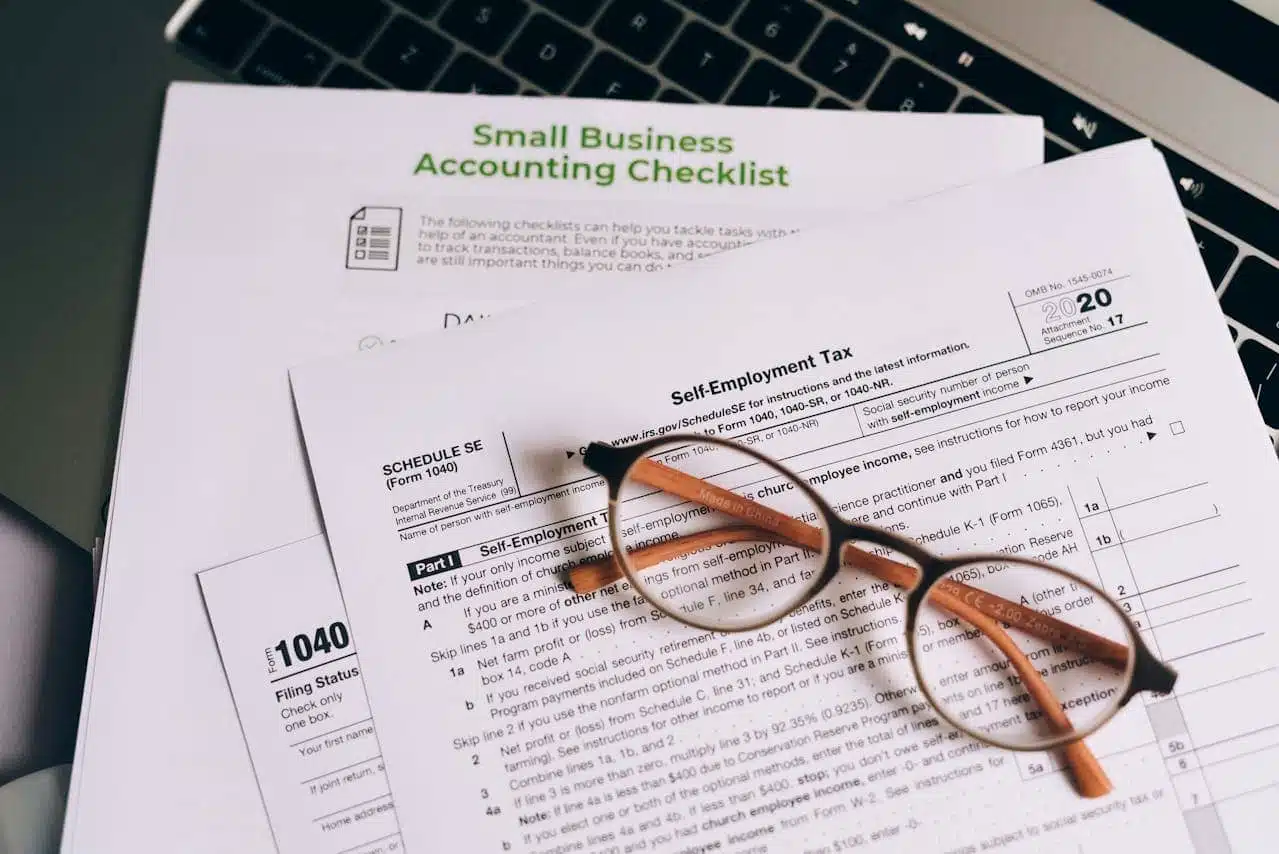
IRS ITIN Application: Essential Steps to Get Form W-7 Right
An IRS ITIN Application normally includes Form W-7, a federal income tax return unless an exception applies, and acceptable documents proving identity and foreign status. IRS guidance explains what belongs in the package. If your spouse or dependent needs an ITIN too, attach a separate Form W-7 for them, even if they’re on the same return.
Before you apply, confirm that you need an ITIN. Check your documents against IRS rules, then decide how you will submit the IRS ITIN Application. The request is often tied to a federal return, so plan for it during tax preparation. Missing identity documents can delay the ITIN decision and processing of the attached return. Check your filing method before you mail original identification documents you may need back.
Quick answer and key takeaways
Quick answer: If you need to submit an IRS ITIN Application, prepare Form W-7, the federal return that requires the ITIN, and acceptable documents showing identity and foreign status. See the Form W-7 instructions. An IRS exception may remove the return requirement. An in-person application option may let you keep original documents instead of mailing them.
Key takeaways:
- An ITIN serves a federal tax purpose when you cannot get an SSN.
- An IRS ITIN Application takes more than a completed W-7.
- Most first-time applicants attach a federal return; qualifying exceptions change that.
- Your identity and foreign-status documents must meet IRS rules.
- You may verify most documents in person instead of mailing originals.
- Processing times vary during tax season and for applications sent from abroad.
Who needs an IRS ITIN application?
An IRS ITIN Application is a request for a tax number when you have a U.S. federal tax purpose but cannot get a Social Security number. The IRS issues ITINs for federal tax processing. Form W-7 is the form used to apply for or renew one.
You may need an ITIN if you are a resident alien or nonresident alien filing a tax return. Certain spouses and dependents may need one when they appear on a federal return, but being related to a taxpayer is not enough. Foreign students, professors, and researchers may qualify when a return or an exception gives them a federal tax purpose. A nonresident alien claiming a tax treaty benefit may need an ITIN even if a return is not required.
Check SSN eligibility. If you can get an SSN, generally pursue that number instead of submitting an IRS ITIN Application; the fact that you have not received your SSN yet does not make you eligible for an ITIN. The IRS ITIN rules explain the distinction.
What goes in an IRS ITIN application package?
A complete IRS ITIN Application usually includes Form W-7, the federal tax return connected to the ITIN request unless an exception applies, and acceptable supporting documents.
- Form W-7. Complete a separate form for each person applying, including a spouse or dependent who needs an ITIN.
- Federal income tax return. Most applicants submit W-7 with the return that creates the tax need. Review W-7 during tax preparation. A qualifying exception removes the return requirement, but you still need a valid federal tax purpose. Check the Form W-7 instructions before leaving the return out.
- Identity and foreign-status documents. Submit the documents the IRS accepts, generally originals or copies certified by the issuing agency.
- Residency evidence for certain dependents. A dependent’s passport may not establish U.S. residency on its own; check whether school, medical, or other permitted records are needed.
- Exception documentation. An IRS ITIN Application without a return needs the evidence required for your exception.
The IRS ITIN application rules describe the package.
Before you submit the package, check:
- Does each applicant have a separate W-7?
- Is the return attached, or have you documented an exception?
- Do identity documents and any dependent residency records meet the requirements for the reason selected on W-7?
A missing piece can delay both the ITIN and the return tied to it.
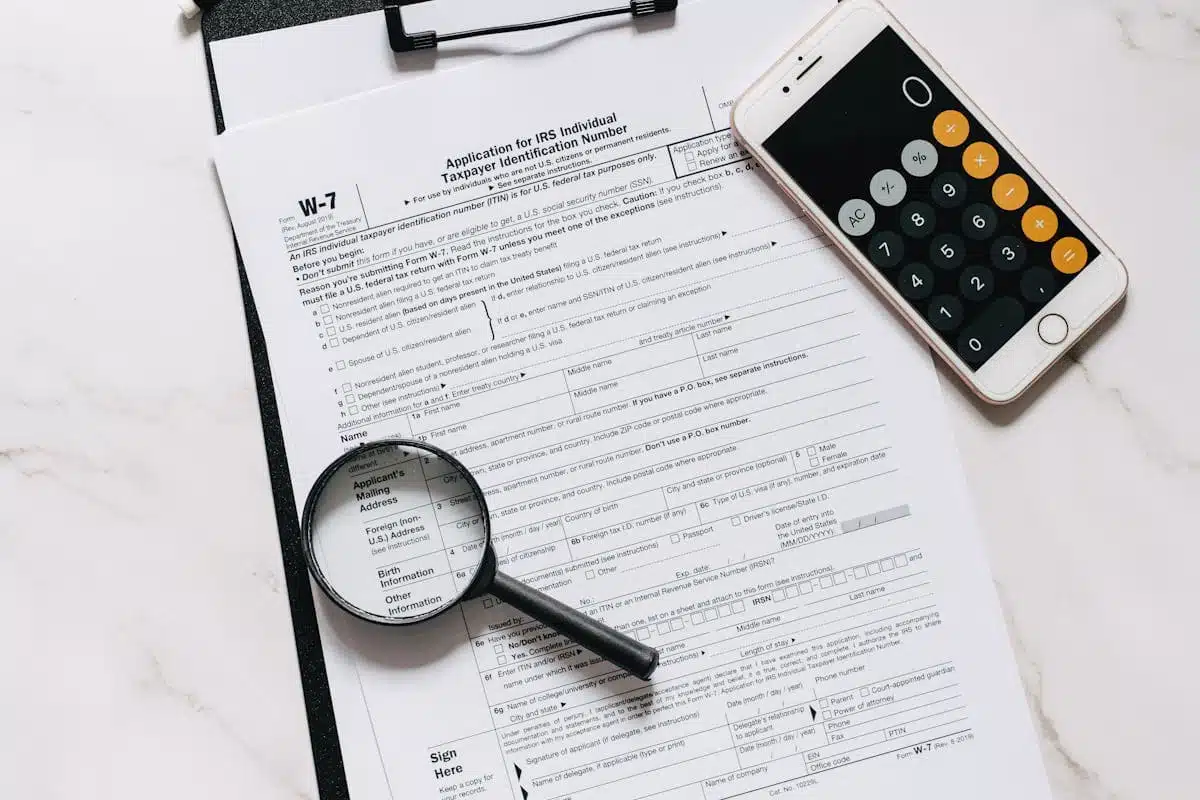
How do you complete Form W-7 correctly?
Form W-7 should reflect the applicant’s identity documents and the tax reason for requesting an ITIN. Use the documents; a name or birth date entered from memory can create a mismatch.
- Mark the application type. Say whether you are requesting a new ITIN or renewing one.
- Choose the filing reason. Select the box that describes why you need the number.
- Enter the legal name. Use the name on the identity documents, and address name changes.
- Fill in birth, citizenship, and address details. Do not assume your U.S. mailing address replaces the foreign address requested on the form.
- Report prior numbers. Include any ITIN or IRS-issued number when applicable.
- Check the evidence. Compare the document numbers and identifying details with what you entered.
- Sign correctly. The applicant generally signs; special rules apply when someone signs for a dependent.
The Form W-7 instructions explain each line and who may sign.
Why the reason box matters
The reason you select helps establish the federal tax purpose for an IRS ITIN Application. If you claim an exception to the return requirement, the documents supporting that exception must agree with the box you checked.
What must match your documents
Look at the applicant’s identification first. If its name or birth date differs from W-7, correct the form. Citizenship and document numbers matter too. Check the reason, prior number, and signature on your IRS ITIN Application. Then compare the form with the return or exception documents.
What documents does the IRS accept for an ITIN?
The supporting documents for an IRS ITIN Application must establish identity and foreign status, and some dependents must also establish U.S. residency. A valid passport usually proves identity and foreign status on its own. Without one, you generally need at least two acceptable documents that, together, prove both points. Check the IRS list of accepted documents before choosing a combination; a U.S. driver’s license, for instance, proves identity but not foreign status.
Send originals or copies certified by the agency that issued them. A notarized photocopy generally will not do because a notary’s stamp does not certify the document as an issuing-agency copy. If mailing your passport worries you, review the IRS ITIN FAQs before choosing how to submit it.
| Document issue | What to check |
|---|---|
| Passport | Does it establish identity and foreign status? |
| Certified copy | Did the issuing agency certify it? |
| Expired document | Is it acceptable under current IRS rules? |
| Dependent documentation | Does this dependent need proof of U.S. residency? |
| Multiple documents | Do they satisfy identity and foreign-status rules together? |
For some dependents, a passport without a U.S. entry date does not settle the residency question. A school or medical record may be needed, depending on the applicant’s age and circumstances. Check expiration dates before submitting the package; an otherwise suitable document can fail if it is no longer current.
Should you mail Form W-7, visit the IRS, or use an agent?
How you submit an IRS ITIN Application depends on whether you can mail original documents or copies certified by the issuing agency. If you want documents checked and returned in person, find an IRS location or certifying agent that offers the service.
| Application method | Cost | Can review Form W-7? | Can authenticate most documents? | Best fit |
|---|---|---|---|---|
| Mail directly to IRS | Postage | You review it | No | You can mail the required documents |
| IRS Taxpayer Assistance Center | Free | Yes | Yes, at designated centers | You want an IRS appointment |
| VITA site with ITIN services | Free | Yes | Yes, with limits | You qualify and a site is available |
| Certifying Acceptance Agent | Fees vary | Yes | Yes, with limits | You want help without mailing most originals |
| Acceptance Agent | Fees vary | Yes | No | You want W-7 help and can mail documents |
Check the IRS application options before booking. At an IRS center, make sure your appointment includes ITIN document authentication. A regular Acceptance Agent helps with Form W-7 but does not authenticate your documents; a Certifying Acceptance Agent can authenticate most, though dependent documents have limits. For a child whose school record is required, ask what must still go to the IRS.
Can you apply for an ITIN online?
You can fill out Form W-7 electronically, then print it. An IRS ITIN Application is not a fully online submission: you still send the application and documents through an approved method.
How long does an IRS ITIN application take?
The IRS currently says a typical IRS ITIN Application takes about 7 weeks to process, with longer windows during peak season and for applications submitted from overseas. Check the current processing time before you plan around receiving the number.
| Situation | What timing to expect | When to take action |
|---|---|---|
| Typical application | About 7 weeks | Follow up if no IRS notice arrives afterward |
| January 15 through April 30 | About 9 to 11 weeks | Allow the longer peak-season window |
| Application from overseas | About 9 to 11 weeks | Follow overseas contact guidance after that window |
| Original documents mailed | Use the current IRS return timeframe | Contact the IRS if documents do not come back |
| CP566 received | Processing pauses while the IRS waits for more information | Respond as the notice directs |
The timing for returning mailed documents is separate from the ITIN decision. The IRS currently says it returns mailed supporting documents within 60 days. If either window has passed without a response, call the IRS.
The estimated ITIN processing time does not extend the filing deadline for the return you attach. Request an extension by the return’s due date if you cannot file.
What happens after the IRS receives Form W-7?
The IRS letter tells you what happened after your Form W-7 arrived. Look at the notice number first. A CP565, CP566, or CP567 means a different next step for your IRS ITIN Application.
| Notice | What it means | Next step |
|---|---|---|
| CP565 | The IRS assigned an ITIN | Keep the notice with your tax records |
| CP566 | More information is needed | Follow the request in the notice |
| CP567 | The application was rejected | Review the reason before resubmitting |
See the IRS notice outcomes. CP565 assigns an ITIN, but the IRS may still be processing your attached tax return. A CP566 means they need something from you before deciding the W-7 request. CP567 is a rejection, so check its reason before you prepare another package.
If a notice calls for a response:
- Find its number.
- Compare it with the W-7 package you sent.
- Identify the missing information or document.
- Follow the response instructions on that notice.
- Keep copies of your reply and attachments.
If you cannot tell why the IRS rejected the application or what CP566 requests, seek IRS help to review the notice before responding.
What an ITIN does not mean
An approved IRS ITIN Application gives you a tax identification number. It does not grant the rights or benefits associated with an SSN.
| An ITIN does not | What it actually does |
|---|---|
| Authorize U.S. employment | Provides a federal tax identification number |
| Change immigration status | Serves federal tax purposes |
| Qualify someone for Social Security benefits | Identifies a taxpayer for applicable federal tax reporting |
| Automatically qualify someone for every tax credit | Credit eligibility depends on separate tax rules |
| Replace an SSN when the person qualifies for one | An ITIN is for people who cannot get an SSN |
The IRS explains these ITIN limitations. Entering an ITIN for a taxpayer or dependent does not, by itself, establish eligibility for a tax credit. The return must meet that credit’s separate requirements. If you qualify for an SSN, use it when filing rather than treating the ITIN as another option.
When should you get help with Form W-7?
Form W-7 may be manageable on your own when the tax purpose is clear, the return is straightforward, your passport meets IRS rules, and your identity details match. If the request accompanies a return, review both during tax preparation.
Consider a second look at an IRS ITIN Application when several family members need numbers or a dependent’s residency documents are uncertain. A complex return or treaty exception can change what belongs in the package. An old ITIN or IRS-issued number you cannot identify raises another question. So does being uncomfortable mailing your identification.
If CP566 asks for more information or CP567 rejects the request, compare the notice with what you sent before replying. Seek IRS help if you cannot identify the missing document or the Form W-7 entry at issue.
Frequently asked questions
Can I apply for an ITIN online?
No. You can prepare Form W-7 electronically and print it, but an IRS ITIN Application is not submitted through a fully online IRS process. The form still needs to reach the IRS with your documents. Check the application methods for mail and in-person options.
Is there a fee to get an ITIN?
The IRS issues ITINs without charging an application fee. Mailing costs may apply, and a Certifying Acceptance Agent, Acceptance Agent, or tax preparer may charge for their services. Compare the free IRS and VITA routes with fee-based ITIN application options before booking help.
Which documents belong with Form W-7?
A valid passport generally proves identity and foreign status alone. Without one, you usually need an acceptable combination of documents that proves both. Certain dependents also need evidence of U.S. residency, even with a passport lacking a U.S. entry date. Check the document requirements for the applicant’s situation.
Do I need to send my passport to the IRS?
Not always. You may submit a copy certified by the issuing agency or have most documents authenticated at a designated IRS Taxpayer Assistance Center or through a Certifying Acceptance Agent. Rules for dependent documents differ, so review the ITIN FAQs before assuming the passport alone will suffice.
How can I check my ITIN application status?
Allow the applicable period in the IRS processing guidance. If that window passes without a notice, call the IRS to ask about your IRS ITIN Application. A mailed passport has its own return timeframe, separate from the decision on Form W-7.
What if I can get an SSN?
If you qualify for an SSN, skip Form W-7. An ITIN serves a federal tax purpose for people who cannot obtain an SSN. If you have an SSN application pending, wait for the Social Security Administration’s decision before filing W-7. See the IRS ITIN eligibility rules.
Check your ITIN application before you submit it
Before sending Form W-7, compare it with the return and identification. A filing reason that conflicts with the return or a name that differs from the passport can prompt an IRS request.
- Check the reason on Form W-7.
- Attach the federal return, or documents supporting a qualifying exception.
- Match names and identity details across the form and documents.
- Confirm that supporting documents meet IRS requirements.
- Choose a submission method for your documents.
- Keep copies of the form, return, and any attachments.
- Allow for the IRS processing period.
If a return or IRS letter needs review before you file, schedule a consultation. A complete Form W-7 package needs accurate information and acceptable documents. Choosing a reason box just to get approval will not fix a mismatch.