Personal Taxes

Personal tax rules affect filing status, dependents, income reporting, withholding, refunds, credits, deductions, and the forms attached to an individual return. This collection explains common federal tax questions for employees, families, retirees, investors, gig workers, and other individual taxpayers. Use these guides to understand what belongs on your return, which records support a tax position, how IRS processing can affect a refund, and when an amended return or professional review may be appropriate. Articles focused on specific IRS letters, notices, and transcript codes are organized separately under IRS Notices & Forms.

IRS Tax Topic 151: Appeal Rights, Refund Holds & Next Steps

Seeing IRS Tax Topic 151 on Where’s My Refund can feel unsettling, especially if you expected a simple direct deposit. It usually means the IRS wants you to review appeal rights tied to a refund change, hold, offset, or account issue. That does not automatically mean you’re being audited. It also does not explain the […]


Nanny Tax: Simple Answers Families Need Before They Pay

Hiring a nanny can make you an employer even if you don’t own a business. Nanny Tax is the common name for the household-employment tax responsibilities that may follow. Before you look for a tax form, consider the arrangement: who decides what your nanny does and how the work gets done? If you control both, […]

Tax Topic 203: Why Your Refund Was Reduced, What to Do

If you saw Tax Topic 203 while checking your refund, or your deposit was smaller than the refund on your filed return, start by confirming what changed. Tax Topic 203 means the refund may have been reduced or applied to a debt, but it does not identify the debt or remedy by itself. It is […]

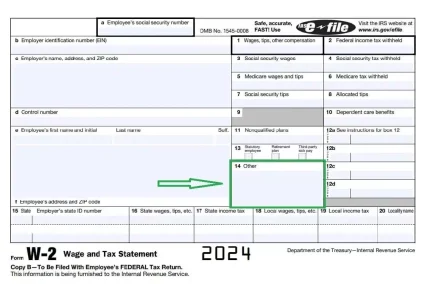
W-2 Box 14 Codes List: Important Codes You Need to Know

Box 14 on your W-2 can look simple until you see a short label that does not explain much. Maybe it says CASDI, PFL, MED PREM, FLSA OT Prem, or something your employer created for its own payroll system. That is where a W-2 Box 14 codes list helps. It gives you a starting point, […]

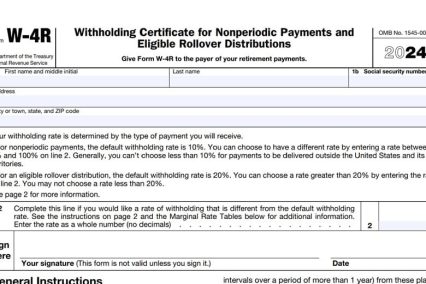
IRS Form W-4R: How to choose the right withholding rate

You’re ready to take money from an IRA or retirement plan, but the withholding question gives you pause. How much should you have taken out for federal taxes? The default percentage doesn’t tell you what you’ll actually owe. Withholding is tax paid ahead of time; your full year’s income and tax situation determine whether that […]

Estimated Tax Payments: How to Avoid IRS Penalties

Estimated tax payments can surprise you because the IRS isn’t only looking at what you owe in April. It also looks at when you paid. Federal income tax runs on a pay-as-you-go system, which means tax is usually supposed to be paid during the year as the income comes in. That’s where people get caught. […]

IRS Letter 2645C: The Truth About the IRS Delay

Getting IRS Letter 2645C can feel confusing because it usually does not ask you to do much. That is exactly what makes people nervous. The IRS is telling you it received something tied to your tax account, but it needs more time before giving a final answer. The key is knowing whether this is just […]

Legal Order LTS: What It Means and How to Respond Safely

Seeing legal order LTS on your bank statement can make your stomach drop, especially when the bank label does not explain who issued the order or why money moved. It may point to a legal order, bank processing fee, levy, garnishment, subpoena, or another request tied to your account. The mistake is guessing. That short […]

GoFundMe Donations: Tax-Free Gift or Taxable Income?

Most personal GoFundMe donations are not taxable income when contributors give from generosity and receive nothing in return. But “donation” is a platform label, not a federal tax classification. The IRS examines why the money was given and what the contributor expected. A personal gift may be excluded from the recipient’s gross income under IRS […]

IRS Form 3949-A: How to Report Suspected Tax Fraud

The IRS estimates the gross tax gap for tax year 2022 at $696 billion. That number sounds massive because it is, but it needs context. The tax gap includes taxes that were not paid on time because of nonfiling, underreported income, and underpayment. It does not mean every unpaid dollar came from criminal fraud. Still, […]