
Small Business Taxes

Business tax rules affect how you report income, claim deductions, pay estimated taxes, compensate owners, and make tax elections. This collection explains federal and Florida tax issues that commonly affect small businesses, self-employed taxpayers, LLCs, S corporations, and employers. Use these guides to understand tax forms, filing deadlines, payroll tax responsibilities, business deductions, asset purchases and sales, entity changes, and planning decisions. Each article helps you identify what to verify before filing, which records to keep, and when a business tax matter may require professional review.

Section 1231: A Valuable Tax Break With Two Key Rules

Section 1231 can give qualifying business property an unusual tax result: net gains may receive long-term capital-gain treatment, while net losses may receive ordinary-loss treatment. But sale price and holding period alone cannot tell you how a gain will be taxed. Depreciation recapture can make part of a gain ordinary income before you combine the […]
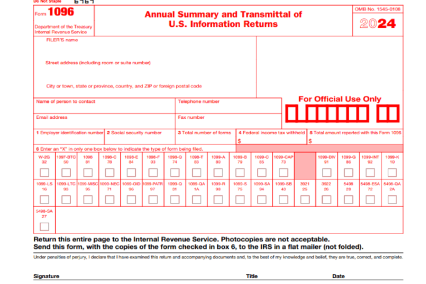

IRS Form 1096: Who Must File? Steps, Rules, and Deadlines

Before you mail your business’s 1099s, check whether your filing needs a separate summary sheet. You’ll use Form 1096 to send certain paper returns to the IRS, but it doesn’t belong with an electronic submission. The IRS explanation identifies the paper returns it covers. That distinction comes before filling in any boxes. The transmittal summarizes […]

Meals and Entertainment: Easily Identify What to Deduct

A client dinner, tickets to a sporting event, and an employee party may all feel like business expenses. They can produce very different deductions. Recording them together under meals and entertainment does not tell you how much you can claim on your tax return. What did you pay for? Generally, you can deduct 50% of […]

Small Business Tax Mistakes: How to avoid costly errors

Some tax problems are built into the numbers before anyone starts preparing the return. A personal charge may still be in the business books, a transaction may be missing, or an estimated payment may be unrecorded. Worker classification creates another problem because the label “contractor” does not decide the tax treatment. The return starts with […]

Estimated Tax Payments: How to Avoid IRS Penalties

Estimated tax payments can surprise you because the IRS isn’t only looking at what you owe in April. It also looks at when you paid. Federal income tax runs on a pay-as-you-go system, which means tax is usually supposed to be paid during the year as the income comes in. That’s where people get caught. […]

IRS Form 3949-A: How to Report Suspected Tax Fraud

The IRS estimates the gross tax gap for tax year 2022 at $696 billion. That number sounds massive because it is, but it needs context. The tax gap includes taxes that were not paid on time because of nonfiling, underreported income, and underpayment. It does not mean every unpaid dollar came from criminal fraud. Still, […]

IRS Schedule E: What Landlords Get Wrong Before Filing

Owning a rental property does not make tax reporting automatic. IRS Schedule E asks for more than rent collected and bills paid. Depreciation, repairs, improvements, personal use, and passive loss rules can change the profit or loss reported on your return. This is where landlords get stuck. A cost may look deductible but need to […]

Schedule SE: What Self-Employed Taxpayers Need to Know Now

If you’re self-employed, Schedule SE can be the part of the return that catches you off guard. You may already expect income tax, especially if you earned money through freelance work, contracting, gig apps, or a small business. But self-employment tax is different. It covers Social Security and Medicare, and it can change the final […]

Form W-3: Easy Filing Steps and One Important Exception

Form W-3 combines the wage and tax amounts from your employees’ W-2s and accompanies Copy A when you submit those statements on paper. The IRS explains this transmittal function in its W-3 reporting purpose guidance. Preparing employee statements is only part of annual payroll reporting, though. Whether you need to send a separate summary depends […]