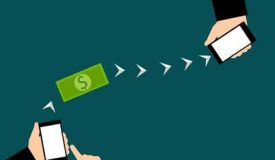
How does PayPal work for sending and receiving money?
PayPal can look simple because one button hides the payment process. Money may come from a linked bank account, debit card, credit card, or PayPal balance before PayPal sends it to a friend, seller, or business.
The transaction type matters. It can change who pays a fee, when funds become available, whether payment protection applies, and which records you should keep. PayPal’s official explanation confirms users can link several funding sources and send or receive money through one account.
Business users need to look beyond the final bank deposit. Processing fees, refunds, and held funds can make that transfer lower than gross customer payments, which affects bookkeeping and tax reporting. This guide answers how does PayPal work and what you should verify before using it.
Quick Answer and key takeaways
Quick answer: How does PayPal work? It sits between your funding source and the person or business receiving the money. You may pay from a bank account, card, or PayPal balance. The fee, timing, and protection depend on the payment type.
Key takeaways
- Domestic purchases usually do not carry a buyer fee, although the seller may pay processing charges.
- Money you receive can show as available, pending, or held.
- Purchase Protection covers only qualifying transactions.
- A reimbursement between friends is different from payment for work or products.
- Taxable business income must be reported, even without Form 1099-K.
CPA-reviewed note: Record gross receipts, PayPal fees, refunds, and bank transfers separately.
What is PayPal, and how does PayPal work?
PayPal is a financial technology platform that lets people and businesses send, receive, and process payments without giving every recipient their full bank or card details. How does PayPal work once you approve the transaction? It draws the money from your linked bank account, debit card, credit card, or available balance, then records the payment in your PayPal account.
Is PayPal a bank?
No. PayPal is not a bank. PayPal describes itself as a financial technology company. Certain eligible U.S. dollar balances may qualify for pass-through FDIC insurance at PayPal’s Program Banks. That coverage applies if a Program Bank fails, not if PayPal itself fails.
Where does the money actually move?
PayPal moves the payment from your chosen funding source to the recipient’s PayPal account. Moving your own funds between accounts is not income. A payment from a customer for goods or services is different. That amount may be taxable business revenue, even when fees or refunds reduce the final bank deposit.
How do you set up PayPal and choose a payment method?
To use PayPal, create a personal or business account, confirm your contact information, and connect an eligible funding method.
- Choose a personal or business account.
- Enter your name, email, phone number, and other requested details.
- Confirm your email address and mobile number.
- Link a bank account, debit card, or credit card.
- Complete any identity checks PayPal requests.
- Review the funding source before approving a payment.

- Do you need a bank account?
Not always. PayPal may let you pay with a linked card or another available method. A bank account becomes more useful when you want to transfer received money out of PayPal.
- Do you need a PayPal balance?
No. PayPal payment methods can fund eligible purchases without a stored balance. Business users should keep account records separate because customer payments can affect gross receipts reported on the tax return. That separation makes year-end income reconciliation much easier and less error-prone later.
How does PayPal work when you send money or buy something?
When you send money or buy something, PayPal charges the selected funding source, processes the transaction and credits the recipient’s PayPal account.
Sending money to someone
- Enter the recipient’s email address, mobile number, or PayPal identifier.
- Add the amount and currency.
- Choose the correct transaction type.
- Confirm your bank account, card, or balance.
- Review any fee.
- Check the recipient before approving the payment.
Paying at online checkout
At checkout, choose PayPal, sign in, and review the payment method, shipping details, and total. The merchant receives confirmation without seeing your bank or card information.
Do not label a purchase as a personal payment simply to avoid a commercial fee. That choice can affect protection and leave the transaction recorded. For a business purchase, keep the invoice or receipt because the PayPal record alone may not explain the expense’s business purpose.
| Stage | What happens | Possible issue |
|---|---|---|
| Funding | PayPal uses the source you selected | Decline or verification |
| Authorization | You approve the recipient and amount | Wrong person or payment type |
| Processing | Funds appear as completed, pending, or held | Review or delay |
| Withdrawal | The recipient transfers the money or keeps it in PayPal | Transfer timing or fee |
How does PayPal work when you receive and transfer money?
When someone pays your confirmed email address or mobile number, PayPal notifies you and places the payment in your account, subject to any review or hold.
Receiving the payment
PayPal may require a recipient to open an account and confirm the email before they can receive money. A payment notice does not always mean the funds are ready for withdrawal.
Moving the money to a bank
You can keep eligible funds in PayPal, spend them, or move them to a linked bank or card. Standard and instant transfers differ in speed, eligibility, and possible fees. Review the destination before submitting the withdrawal.
For business payments, record the gross customer payment before subtracting PayPal fees or refunds. Reporting only the smaller bank deposit can understate gross receipts on the tax return.
| Status | Basic meaning | Best first check |
|---|---|---|
| Completed | Payment processed | Confirm balance and details |
| Pending | Processing is unfinished | Open transaction details |
| On hold | Funds are unavailable | Review the requested action |
| Transferred | Withdrawal was started | Confirm destination and method |
| Reversed or refunded | Money was returned | Review payment records |
Which PayPal fees can apply?
How does PayPal work when fees are involved? You may pay no fee on one PayPal transaction and see a charge on another. The difference usually comes down to payment type, funding source, location, currency, and selected withdrawal speed.
- Transactions that may not carry a consumer fee
A U.S. buyer generally pays no PayPal fee for a domestic purchase when no currency conversion occurs. Domestic personal payments funded from a PayPal balance or bank account may also be free. Check the current fee schedule before approving the transaction.
- Transactions that may create a fee
Fees can arise from card-funded personal payments, commercial sales, international transactions, currency conversion, instant withdrawals, or seller disputes. For a business, record the processing charge separately from revenue. Reporting only the net bank deposit can understate gross receipts before tax filing.
| Transaction | Possible fee payer | Common trigger | What to verify |
|---|---|---|---|
| Domestic purchase | Seller | Commercial processing | Checkout amount |
| Personal payment | Sender | Card funding | Funding source |
| Currency conversion | Either party | Different currencies | Exchange rate |
| Bank withdrawal | Recipient | Instant transfer | Transfer screen |
| Business payment | Seller | Merchant processing | Merchant rates |
Is PayPal safe, and what protection actually applies?
PayPal uses encryption, monitoring, and authentication, but no payment method removes every risk.
- What PayPal security can do
Security controls can limit exposure of bank or card details, flag unusual activity, and support unauthorized-transaction claims.
- What Purchase Protection may cover
Purchase Protection may cover eligible purchases that never arrive or differ from their description. Deadlines, exclusions, and dispute steps in the user agreement apply.
- What Seller Protection may cover
Seller Protection may help with unauthorized-payment or item-not-received claims when sellers meet documentation rules.
- What protection does not replace
Before sending money, confirm the name or email inside PayPal instead of trusting a message link. Businesses should save the invoice and refund trail. A reversal does not erase the gross payment that may appear on Form 1099-K.
| Feature | What it addresses | What it does not guarantee |
|---|---|---|
| Encryption | Data transmission | A legitimate recipient |
| Authentication | Account access | Recovery from scams |
| Purchase Protection | Eligible buyer disputes | Coverage for every purchase |
| Seller Protection | Certain seller claims | Protection without records |
| Card rights | Card-funded disputes | Identical treatment for all payments |
What PayPal does not mean
A PayPal status or deposit can omit details that matter for protection, bookkeeping, and taxes.
| Common assumption | More accurate explanation |
|---|---|
| PayPal is a bank | PayPal is a financial technology company with bank-linked products. |
| Every payment is free | Fees vary by transaction, source, currency, and transfer method. |
| Every purchase is protected | Only eligible transactions under the program rules qualify. |
| A completed payment is in your bank | The money may remain in PayPal until transferred. |
| Friends and family works for purchases | Personal payments should not disguise commercial transactions. |
| No Form 1099-K means no taxable income | Taxability depends on why you received it, not whether a form arrives. |
| The bank deposit equals sales | Fees, refunds, holds, and grouped transfers can reduce the deposit. |
How does PayPal work for freelancers and businesses?
For freelancers and businesses, PayPal processes payments, but the amount transferred to your bank may be lower than gross sales.
- Personal account versus business account
A business account supports invoices, checkout tools, and business identification. Fees still depend on the transaction. Personal payments should not be used to disguise sales.
- Reconcile PayPal activity correctly
Start with the customer’s full payment. Record PayPal fees, refunds, reversals, held funds, and bank transfers on separate lines. Otherwise, the smaller deposit can make revenue look lower than it was.
PayPal sales not matching your bank deposits or QuickBooks records? A bookkeeping review can trace the difference before it carries into the tax return.
- Does PayPal report payments to the IRS?
Form 1099-K generally applies when payments for goods or services exceed $20,000 and involve more than 200 transactions. PayPal may still issue one below that threshold, and some states use different limits. The form reports gross payments, not profit.
Use your PayPal records to support self-employed taxes or request QuickBooks cleanup when the numbers do not reconcile.
What can go wrong, and when should you get help?
Start with the transaction. Open PayPal, confirm the recipient, review the payment type, check the funding source, and read the status before contacting anyone.
Check these items first
- Verify the recipient and amount.
- Review the fee or exchange rate.
- Save the transaction ID and messages.
- Contact your bank or card issuer when the funding source is involved.
- Use PayPal’s Resolution Center for payment disputes.
Problems PayPal must address
PayPal should handle login trouble, account limitations, pending payments, holds, unauthorized activity, transfer eligibility, and product-specific fees. FTC guidance also recommends acting quickly after suspected fraud.
Problems that may need accounting or tax help
Get help when PayPal deposits do not match sales, personal and business activity are mixed, transactions are missing, or Form 1099-K does not match your books. Those issues can distort gross receipts and the tax return.
| Situation | First resource |
|---|---|
| Account lock or payment hold | PayPal |
| Unauthorized charge | PayPal and your bank |
| Deposit does not match bookkeeping | Bookkeeping cleanup |
| Form 1099-K mismatch | Tax preparation |
Frequently asked questions
How does PayPal work without a bank account?
You may be able to use PayPal with a linked debit card, credit card, or available balance. The limitation shows up when you need to move received money out. For business use, linking a bank account also makes deposits and monthly reconciliations easier to follow.
How does PayPal work if the recipient has no account?
PayPal can still alert the email address or phone number you entered. But the notice alone does not release the money. The recipient usually must open an account and confirm the matching email address, then accept the payment before spending or transferring it.
How does PayPal work when a transfer is pending?
Pending does not tell you why the transfer stopped. Open the transaction itself. PayPal may be waiting on a bank, reviewing the payment, holding seller funds, or asking for another step. The expected timing depends on the transfer method and the financial institution involved.
Is PayPal free to use?
Opening an account is generally free, and many domestic consumer purchases carry no buyer fee. Charges may still apply to commercial payments, card-funded personal transfers, international activity, currency conversion, instant withdrawals, or other services disclosed before you authorize the transaction in PayPal.
Can you cancel or reverse a PayPal payment?
Cancellation depends on the payment status. An unclaimed payment may provide a cancellation option, while a completed payment usually requires a refund request or formal dispute. Review the transaction details first, then follow PayPal’s current cancellation or Resolution Center process carefully.
Does PayPal report friends-and-family payments to the IRS?
A personal reimbursement or gift does not become business income simply because it moved through PayPal. The payment label alone does not decide tax treatment. Money received for goods or services may still be taxable, even when PayPal does not issue Form 1099-K for that year.
Final next steps before using PayPal
Before you send or accept money, ask: how does PayPal work for this transaction?
- Confirm the recipient.
- Choose the correct payment type.
- Review the funding source.
- Check the currency and displayed fee.
- See whether payment protection may apply.
- Save the transaction record.
- Keep business payments separate.
- Reconcile sales, fees, refunds, and transfers.
For business payments, the bank deposit is only part of the record. PayPal fees and grouped transfers can change the amount received, while Form 1099-K may show the gross total.
If those figures do not tie back to your books, schedule a consultation with H&S Accounting & Tax Services to review where the mismatch began and what needs correcting.